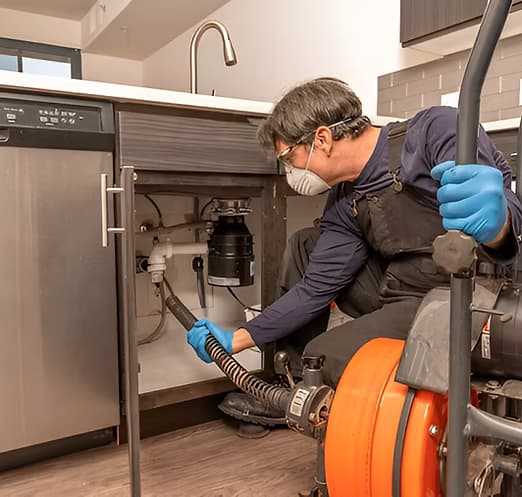
Spring is when slow drains start to show their true colors. Winter buildup, cooking grease, hair, soap residue, and more indoor water use can all leave drain lines working harder than they should. By the time the first warm-weather gathering or rain-heavy week hits, a line that looked manageable in February can start backing up for real.
A good spring checklist starts with the fixtures you use every day. Watch how quickly bathroom sinks empty, check whether the shower makes gurgling sounds, and notice if the kitchen sink drains differently after dinner cleanup than it does first thing in the morning. Small changes are usually the earliest warning signs.
The second step is to think in patterns instead of isolated fixtures. If the powder room toilet bubbles while the bathtub drains, or the basement floor drain smells stronger after a storm, those details matter. They suggest the issue may be in a shared line rather than in one individual trap or fixture.
Spring is the right time to schedule professional drain cleaning before a small slowdown becomes a weekend emergency. That is especially true in older Toronto housing stock where recurring clogs often come from buildup deeper in the line rather than at the visible fixture opening.
What this usually means in practice
In real service calls, issues like this are rarely just about one visible symptom. Our drain cleaning work often starts by confirming whether the problem is isolated, recurring, or connected to a larger plumbing pattern in the building.
In Toronto, that matters even more because properties can range from condos and rental units to older detached homes and busy mixed-use spaces. The right next step is usually the one that reduces repeat failures, not just the one that makes the symptom disappear for the day.
What to check before you book service
- Confirm the problem area: We determine whether the clog is isolated to one fixture, one branch, or the main drain so the right clearing method is used.
- Clear and test the line: We restore flow, then test drainage to make sure the water is moving the way it should before closing up the visit.
- Recommend prevention if needed: If the line shows signs of buildup, root intrusion, or repeat trouble, we explain what to watch and when to schedule follow-up service.
When it is worth calling right away
If the issue is getting worse quickly, affecting more than one fixture, damaging finishes, or interrupting hot water or drainage for the property, it is usually time to book service instead of watching and waiting. The fastest next step is our Toronto plumber page, where you can move into the most relevant service details for your area.